12 Christmas Fairy Illustrations: A Publisher’s Review
As a digital publisher who has spent years refining the visual architecture of content websites, I have learned that first impressions are not just about copy—they are about the immediate emotional resonance of an image. When evaluating a graphic design asset for real-world application, I look beyond aesthetics to ask: Does this support the brand? Does it drive engagement? And does it maintain editorial integrity?
This is where my review of the 12 Christmas Fairy Illustrations collection becomes relevant. For seasonal content marketing, particularly in niches like lifestyle, parenting, crafting, or cozy home decor, finding assets that feel both magical and professional is a constant challenge. Too often, holiday graphics lean too heavily into clip-art clichés or appear cluttered. However, this specific set offers a nuanced approach to editorial design that can elevate a blog’s visual hierarchy without overwhelming the reader.
The Editorial Mood and Visual Identity
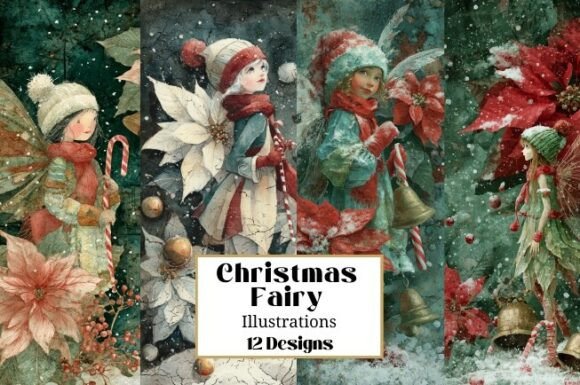
Upon first inspection, the 12 Christmas Fairy Illustrations strike a balance between whimsy and sophistication. They do not scream for attention; rather, they invite the reader in. This is crucial for modern web design, where user experience dictates bounce rates. The illustrations carry a distinct mood—likely leaning towards soft, ethereal, and perhaps slightly vintage or storybook-inspired. This aesthetic aligns perfectly with brands that want to project warmth, creativity, and a touch of nostalgia.
For a small business branding effort, especially one targeting a female-dominated demographic or focusing on creative hobbies, these assets provide a strong foundation for a cohesive brand identity. They suggest a modern design sensibility that respects whitespace and negative space, allowing the text within your articles to remain the primary focus while the imagery provides context and emotional anchoring. Whether your niche is educational, artistic, or purely decorative, these illustrations add a layer of polish that signals to your audience that your content is curated with care.
Integrating Assets into Real Publishing Workflows
The true value of any design asset lies in its versatility across different platforms. In my workflow, I rarely use a single image type. Instead, I deploy a suite of visuals to ensure consistency from the search engine results page (SERP) all the way through to the final conversion point. Here is how the 12 Christmas Fairy Illustrations can be integrated into a comprehensive content marketing strategy:
- Blog Featured Images and Headers: Use these illustrations as background elements for article headers. By overlaying bold, high-contrast headlines, you create a striking website header that immediately communicates the seasonal theme of the post.
- Pinterest Graphics and Pins: Pinterest is a visual search engine. These illustrations are ideal for creating eye-catching Pinterest pin designs. Their vertical-friendly compositions can be paired with clear typography to drive traffic back to your affiliate links or product reviews.
- Newsletter Design: Email open rates depend heavily on subject lines and preview text, but the body of the newsletter relies on visual breaks. Insert these fairy illustrations between sections to guide the reader’s eye and maintain a cheerful tone throughout your digital communication.
- Digital Guides and Lead Magnets: If you are creating a downloadable PDF, such as a "Holiday Gift Guide" or a "Christmas Baking Checklist," these illustrations serve as perfect interior accents. They transform a standard document into a premium digital product that users will actually want to keep.
- Social Media Stories and Posts: For Instagram and Facebook, these assets can be used as overlays or background textures. They help maintain a consistent visual hierarchy across your social channels, making your profile grid look unified and professional.
- Affiliate Marketing Content: When reviewing products or writing sponsored posts, generic stock photos can sometimes undermine trust. Using unique, thematic illustrations like these fairy characters helps differentiate your content from competitors, adding a personal touch that resonates with readers.
Impact on Performance and Reader Trust
Why does this matter for your bottom line? Because visual quality directly correlates with perceived authority. When a visitor lands on a page with poorly sourced or mismatched graphics, their subconscious flags the site as amateurish. Conversely, a polished layout using high-quality creative design elements builds immediate credibility.
By incorporating the 12 Christmas Fairy Illustrations, you enhance the reader trust factor. The illustrations suggest that you have invested time and resources into the presentation of your information. This is particularly important for affiliate marketers and online educators who need to persuade their audience to take action, whether that is clicking a link, signing up for a course, or purchasing a recommended item. A stronger visual identity leads to longer session durations and lower bounce rates, which are positive signals for SEO.
Strategic Placement and Optimization
To get the most out of these assets, strategic placement is key. They work best in areas where you want to evoke emotion or break up dense blocks of text. Consider using them as category thumbnails for your holiday-related posts, or as decorative elements in your sidebar widgets. They are also excellent for content upgrades—offering a visually appealing bonus resource in exchange for an email address.
However, there are contexts where caution is advised. Avoid using these illustrations in serious professional niches, such as corporate finance or legal advice, where the playful nature of fairies may clash with the required tone of authority. Additionally, be mindful of mobile optimization. While these illustrations are likely detailed, ensure they do not become pixelated when scaled down for small screens. Test them as article thumbnails to ensure they remain recognizable at smaller sizes.
Practical Publisher Notes for Implementation
Before integrating the 12 Christmas Fairy Illustrations into your live site, I recommend following a rigorous testing protocol:
- Device Testing: View the images on desktop, tablet, and mobile devices. Check how they render alongside serif font, sans serif font, and script font styles. Ensure the illustration complements your chosen typography rather than competing with it.
- Contrast and Readability: Place headline text over the illustrations to check for contrast issues. If the background is busy, consider adding a semi-transparent overlay to ensure the text remains legible.
- File Size and Performance: Web performance is critical for SEO. Compress these images properly using tools like TinyPNG or Squoosh before uploading. Large file sizes can slow down your web design, negatively impacting user experience.
- Licensing Verification: Confirm that you have the appropriate commercial license to use these assets on monetized websites, affiliate pages, or paid content products. Ensure you understand the terms regarding redistribution, especially if you are using them in a Canva template or reselling a digital download.
- Black and White Preview: Convert the images to grayscale to check for tonal balance. This helps ensure that the composition holds up even if color is removed or if printed in monochrome.
In conclusion, the 12 Christmas Fairy Illustrations offer a versatile and high-quality solution for publishers looking to enhance their seasonal content. By leveraging these assets strategically across your blog, social media, and digital products, you can create a more engaging, trustworthy, and visually cohesive online presence. For any creative entrepreneur or blog designer aiming to stand out in a crowded digital landscape, this collection is a valuable addition to your library of design assets.