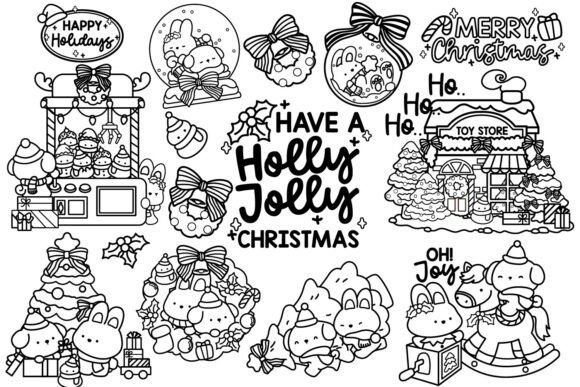
Animals Character Christmas Coloring Review
As a designer who spends more time than I care to admit staring at stitch density charts and testing thread tension, I approach every new machine embroidery design with a healthy dose of skepticism. The market is flooded with clipart that looks cute on screen but turns into a muddy mess after three passes through the hoop. That is exactly why I decided to put Animals Character Christmas Coloring through its paces. I wanted to see if this illustrations-style file holds up when translated from a digital preview into a tangible, wearable, or givable embroidery project.
The premise is simple: festive animal characters rendered in a coloring-book aesthetic. But execution is everything. After running several test stitches and imagining how this would look on actual merchandise, here is my practical breakdown of where this design shines, where it might struggle, and who should actually be buying this file.
First Impressions and Visual Personality
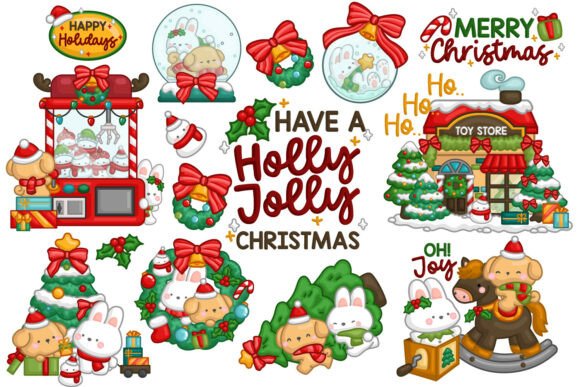
The immediate appeal of Animals Character Christmas Coloring lies in its playful, approachable vibe. It does not try to be overly intricate or hyper-realistic. Instead, it leans into bold outlines and clear shapes, which is a smart move for embroidery. When you are working with limited thread colors, clarity is king. This design understands that distinction. The visual personality is warm, nostalgic, and undeniably cozy—perfect for the holiday season without feeling cluttered.
In terms of layout, the composition feels balanced. It avoids the common pitfall of designs that are too wide for standard caps or too tall for small tote bags. The character poses are dynamic enough to catch the eye but static enough to maintain structural integrity during stitching. For an Etsy seller or small shop product creator, this balance between charm and technical feasibility is crucial. You want something that screams "handmade" without looking like a mistake.
Real-World Application: Where Does This Fit?
I spent some time mentally (and physically) placing this design on various substrates. Here is how it translates to real-life scenarios.
Apparel and Accessories
This design is a natural fit for sweatshirt embroidery. The thick, chunky feel of fleece or cotton blends complements the bold lines of the animals. Imagine a crewneck sweatshirt with the main character centered over the heart—it creates an instant classic look. Similarly, it works beautifully on tote bag design projects. Canvas totes are durable, and the high contrast of the embroidery against the fabric texture adds a premium feel that customers appreciate.
For headwear, specifically embroidered patch styles or direct-to-garment caps, the design’s compact nature is an asset. However, curved surfaces require careful hooping. If you are placing this on a baseball cap, ensure your stabilizer choice is robust to prevent puckering around the curve.
Baby Items and Nursery Decor
One of the strongest use cases for Animals Character Christmas Coloring is in the baby sector. Baby embroidery items, such as bibs, burp cloths, or tiny booties, benefit from soft, non-threatening imagery. The "coloring book" style mimics the kind of art parents love to display in nurseries. It also lends itself well to holiday embroidery gifts, such as matching family pajamas or stockings. The simplicity of the lines means the stitches will lie flat against delicate baby fabrics, reducing irritation risk.
Kitchen and Home Goods
Do not overlook home textiles. This design would look charming on a tea towel or a kitchen apron. The festive theme aligns perfectly with winter hosting seasons. On a kitchen towel, the design can be scaled down slightly to leave room for text or left large for maximum impact. The key here is fabric texture; linen or heavy cotton weaves enhance the handmade aesthetic, whereas silky fabrics might cause the threads to slide or lose definition.
Technical Considerations and Stitch Quality
From a technical standpoint, the success of any digital embroidery file depends on how well the artist has managed stitch types. In Animals Character Christmas Coloring, the reliance on satin stitch for outlines suggests a focus on clean edges. Satin stitches can be tricky on stretchy fabrics, so if you plan to embroider this on jersey or spandex blends, you must use a strong cut-away stabilizer to prevent distortion.
The fill areas appear to use standard fill stitch patterns. While efficient, dense fills can make a garment stiff. If you are aiming for a softer hand-feel, consider using a lighter underlay or adjusting the density settings in your embroidery software. Additionally, keep an eye on the stitch density in smaller details. If the design includes tiny accessories (like a Santa hat pom-pom), verify that these elements are not so small that they disappear into the background noise of the fabric weave.
Pitfalls to Avoid
No design is perfect for every situation. There are specific scenarios where Animals Character Christmas Coloring might not perform optimally:
- Small Hoop Sizes: If you are working with a 4x4 inch hoop, ensure the design scales down cleanly. Sometimes, scaling reduces fine details to unrecognizable blobs.
- Textured Fabrics: Heavily textured materials like boucle or thick chenille can obscure the lines of the illustration. Stick to smoother weaves for best results.
- Dense Stitch Areas: If the design includes large solid blocks of color, it may become rigid. This is less of an issue for decorative items like pillows but critical for wearable apparel.
- Frequent Washing: For items that will undergo heavy laundering, such as work aprons or daily-use tote bags, ensure the thread quality is high-grade polyester to prevent fading or fraying.
Strategic Advice for Sellers and Makers
If you are planning to sell finished products featuring this design, presentation matters. Use printable mockup tools to visualize the design on different colored garments before committing to production. Testing the design in black and white can help you assess the contrast and balance independent of color distractions.
Always confirm licensing before selling. While the design is great for commercial embroidery, you need to know if you have the right to sell the physical goods. For craft business owners, this file offers versatility across multiple categories—from personalized gift tags to boutique branding. By combining this design with complementary elements, such as simple text greetings or monograms, you can create unique variations that stand out in a crowded marketplace.
Finally, never skip the scrap fabric test. Even with a well-made embroidery file, variables like machine needle type, thread brand, and fabric grain can alter the outcome. Run a test stitch on a piece of your actual production fabric. Check for puckering, inspect the back of the work for excess stabilizer residue, and evaluate the overall visual appeal. If it looks good on the scrap, it will likely look fantastic on the final finished product.
In summary, Animals Character Christmas Coloring is a versatile, technically sound addition to any designer’s library. It balances aesthetic charm with practical embroidery constraints, making it suitable for a wide range of applications. Whether you are creating a one-off personalized gift or building a line of small shop products, this design offers a reliable foundation for creating professional, customer-loved holiday items.