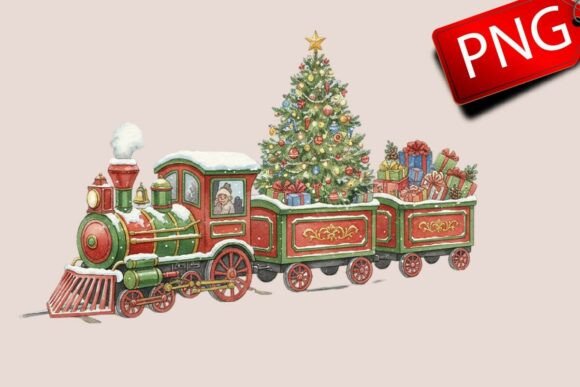
Christmas Vintage Steam Train Clipart: Editorial Illustrations for Publishing
In the world of digital publishing, the difference between a casual blog post and a polished editorial experience often comes down to visual consistency. As a designer who has spent years building content ecosystems for bloggers, affiliate marketers, and digital educators, I look at every new asset with one question in mind: Does this support the brand identity while driving engagement? Today, I am reviewing a specific graphic design asset that has caught my eye for seasonal content campaigns: Christmas Vintage Steam Train Clipart. This piece is not just a festive decoration; it is a strategic tool for enhancing editorial design during the holiday quarter.
The First Impression: Mood and Visual Identity
When you first load this asset into your workspace, the immediate takeaway is its nostalgic warmth. The illustration captures the romanticized era of rail travel, blending mechanical detail with the cozy aesthetic of the holidays. For a publisher, this creates an instant editorial mood that feels both timeless and inviting. It avoids the overly cartoonish or generic clipart tropes that can make a website look amateurish. Instead, it leans into a sophisticated, slightly rustic vibe that resonates well with lifestyle brands, home decor blogs, and creative entrepreneurs.
This style of Illustrations works particularly well because it bridges the gap between professional and playful. It is clean enough for a modern design system but detailed enough to serve as a focal point in a busy layout. Whether your niche is focused on DIY crafts, family traditions, or even historical storytelling, this train clipart provides a strong visual anchor. It suggests movement and journey, which are powerful metaphors for content marketing—taking the reader from where they are to where they want to be.
Real-World Applications in Content Publishing
The true value of any design assets package lies in its versatility. In my workflow, I rarely use a single image in isolation. I repurpose high-quality graphics across multiple touchpoints to ensure brand cohesion. Here is how this vintage steam train clipart integrates into a real publishing strategy:
- Pinterest Pins: Seasonal traffic spikes on Pinterest are predictable. This clipart’s vertical composition potential makes it ideal for creating pins that stand out in a feed crowded with bright reds and greens. Its vintage appeal often performs better with audiences seeking "aesthetic" or "curated" content.
- Blog Featured Images: Using this as a header or featured image immediately signals to the reader that the article is part of a special holiday series. It elevates the perceived value of the content, encouraging clicks from social media shares.
- Email Newsletter Graphics: Email open rates drop during the holiday season due to inbox clutter. A unique, thematic graphic like this steam train helps break through the noise. It serves as a visual break in long-form newsletters, guiding the eye toward call-to-action buttons.
- Digital Guides and Lead Magnets: If you are offering a free printable checklist, recipe book, or gift guide, this clipart can be used on the cover page. It transforms a simple PDF into a branded digital product that feels worth downloading.
- Website Banners: For a temporary site-wide banner announcing a holiday sale or event, this illustration adds character without overwhelming the navigation menu.
Supporting Content Performance and Trust
Visual hierarchy is critical for user experience. When readers land on a page, their eyes scan for cues about relevance and quality. High-quality web design elements like this clipart signal attention to detail. When your visuals are sharp, cohesive, and thematically appropriate, it builds subconscious trust with the audience. They perceive the content creator as an authority who cares about presentation.
Furthermore, consistent use of such assets strengthens your brand identity. If you plan to use similar vintage or whimsical illustrations throughout the year, establishing this visual language now sets the stage for a recognizable brand aesthetic. It moves your content away from generic stock photography and toward a custom, curated look that competitors cannot easily replicate. This distinctiveness is vital for content marketing efforts aimed at building a loyal community rather than just chasing transient traffic.
Strategic Placement and Design Considerations
While this asset is versatile, it requires thoughtful placement to maximize its impact. In editorial layouts, it shines when given breathing room. Avoid placing it in small mobile thumbnails where the intricate details may become muddy or indistinguishable. Instead, reserve it for larger formats like hero images, desktop headers, or full-width section breaks.
Be cautious when using this clipart in text-heavy blog images. The vintage style can compete with typography if the contrast is not managed correctly. Ensure that headline text remains legible by using solid background overlays or positioning the text in negative space within the illustration. Additionally, consider the context of your niche. While this fits beautifully with lifestyle, craft, and family-oriented content, it may feel out of place in serious corporate communications or highly technical niches that require a more minimal visual system.
Practical Publisher Notes for Implementation
To get the most out of this creative design element, follow these technical best practices before deploying it on your monetized websites:
- Test Across Devices: Always preview the graphic on both desktop and mobile screens. Check how it scales as a thumbnail in search results or social media previews to ensure key elements remain visible.
- Font Pairing: Experiment with different typefaces alongside the illustration. This clipart pairs exceptionally well with serif fonts for a classic look, sans-serif fonts for a modern twist, or script/handwritten fonts for a personal, artisanal feel. Test each combination to see which supports readability best.
- Contrast and Readability: Verify that the colors work against your website’s background. If your site uses light backgrounds, ensure the dark tones of the steam train provide sufficient contrast. Try converting the image to black and white temporarily to check tonal balance.
- File Optimization: Large image files can slow down your website, negatively impacting SEO and user experience. Compress the PNG or JPEG files properly before uploading. Aim for a balance between quality and file size to maintain fast load times.
- Licensing Verification: Before using this asset for commercial purposes, such as affiliate marketing pages, paid courses, or ad creatives, confirm the commercial license terms. Ensure you have the right to use it in digital downloads and printables without violating intellectual property rights.
Final Thoughts on Visual Storytelling
Incorporating a specialized graphic design asset like the Christmas Vintage Steam Train Clipart is more than just a cosmetic update; it is a strategic decision to enhance the emotional resonance of your content. By leveraging the nostalgia and charm of vintage imagery, you create a richer, more engaging experience for your readers. Whether you are designing a Canva template for your followers, updating your media kit, or simply refreshing your blog’s holiday theme, this illustration offers a professional touch that elevates your entire digital presence. For publishers looking to refine their visual communication skills, investing in high-quality, thematic illustrations is always a worthwhile endeavor.