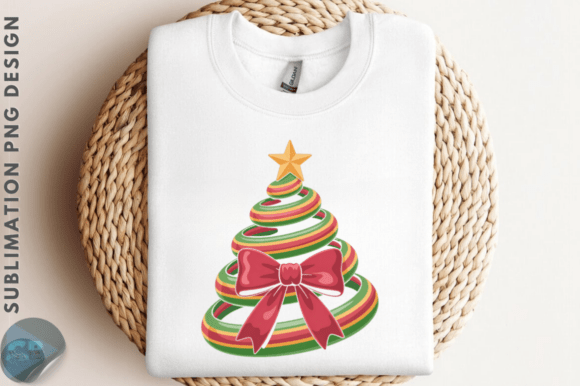
Most Likely to Nap on Christmas Png
When I pull a new design into my hoop, I am rarely thinking about aesthetics alone. As someone who has stitched thousands of designs for clients, craft fairs, and personal gifts, my first instinct is always practical: will this hold up? Is it recognizable at small sizes? And perhaps most importantly for the holiday season—does it capture the exact mood I want my customer to feel? This is where Most Likely to Nap on Christmas Png enters the conversation. It is not just another festive graphic; it is a specific emotional trigger wrapped in a visual package that speaks directly to the exhausted but joyful reality of modern holiday living.
The phrase itself is a winner. It taps into the universal desire to opt out of the high-pressure, high-energy chaos of December. For an embroidery designer, translating text-based humor or relatable sentiments into stitchable art is one of the hardest challenges. You have to balance legibility with decorative flair. From a design perspective, Most Likely to Nap on Christmas Png suggests a layout that prioritizes readability without sacrificing charm. It feels like a design meant for comfort rather than performance, which immediately signals to me that it belongs on soft, cozy fabrics rather than stiff canvas or heavy denim.
Visual Personality and Mood
The visual personality of this piece leans heavily into whimsy and warmth. In my experience, holiday designs often fall into two camps: traditional elegance (think gold thread, intricate snowflakes, classic typography) or bold, loud cheerfulness. This design occupies a sweet spot in the middle. It feels like an illustrations category standout because it likely relies on character-driven elements rather than complex geometric patterns. The "nap" theme invites a softer approach to stitching. It suggests that the finished product should feel huggable, even if it is a tote bag or a kitchen towel.
For the Etsy seller or small shop owner, this mood is incredibly marketable. We are seeing a shift in consumer behavior where buyers are less interested in perfection and more interested in authenticity and humor. A design that acknowledges the fatigue of the holidays creates an instant connection. It says, "I see you, and I get it." When a customer sees a sweatshirt embroidered with this sentiment, they are buying into a feeling of relief and community. That is powerful branding for your handmade products.
Real-World Application: The Custom Tote Bag Scenario
Let’s talk about a real project. Imagine you are preparing inventory for a winter craft fair or fulfilling a rush order for a personalized gift. You choose a natural-colored canvas tote bag design as your base. You place Most Likely to Nap on Christmas Png centered on the front panel. Because the design likely features a mix of text and illustrative elements, you need to consider how the eye travels across the bag.
If the design includes playful fonts or rounded shapes, it pairs beautifully with the casual nature of a tote. However, you must be mindful of the stitch density. If the original file is dense, you risk making the tote bag stiff and unwieldy. My advice here is to look for a version of the file that uses open fill stitches or sparse satin work where possible. This keeps the fabric drape intact. A stiff tote is a hard sell. A soft, flexible tote that looks inviting is an easy sale.
This same logic applies to sweatshirt embroidery. A hoodie is a garment defined by its comfort. Embroidering a large, dense block of thread on the chest can make the wearer feel restricted. If Most Likely to Nap on Christmas Png allows for a smaller, more concentrated placement—perhaps over the heart or on the sleeve—it will perform better. It becomes a subtle nod rather than a billboard. This subtlety increases the perceived value of the item, making it suitable for everyday wear rather than just a novelty costume piece.
Technical Considerations for Stitching Success
As an experienced reviewer, I cannot stress enough the importance of testing before production. Every digital embroidery file behaves differently depending on the machine, the needle, and the thread. Before you commit to a batch of custom apparel, you must test the design on scrap fabric. Here is what you are looking for:
- Thread Color Contrast: Does the text pop against your chosen fabric? If you are using a dark fabric, ensure the thread colors are bright enough to maintain legibility. Muted tones might get lost, especially if the design relies on thin lines.
- Hoop Size Verification: Confirm that the design fits comfortably within your standard hoop size without requiring awkward re-hooping. Re-hooping introduces alignment risks that can ruin the symmetry of the text or image.
- Stabilizer Selection: For holiday items like aprons or kitchen towels, you will likely use cut-away stabilizer for durability. For lighter items like baby onesies, a tear-away might suffice, but always check the backing after stitching to ensure no residue remains.
- Detailed Corners: Inspect any curved text or fine details. Small running stitches can sometimes break or pucker if the tension is off. Adjust your tension settings slightly lower if you notice looping.
Another critical step is to view your design in black and white. Sometimes, color distracts us from structural flaws. If the design loses its impact when stripped of color, it may rely too heavily on gradients or subtle shading that does not translate well to thread. Most Likely to Nap on Christmas Png should remain clear and readable even in monochrome, ensuring that the core message survives the translation from screen to fabric.
Where to Use It (And Where to Be Careful)
This design shines in environments where relaxation is the theme. It is perfect for holiday embroidery projects like nursery decor, baby blankets, or pillow covers. The "nap" theme resonates deeply with parents who are surviving the season. A onesie with this text is not just cute; it is a statement piece for the modern family.
However, there are places where caution is needed. Avoid placing this design on highly textured fabrics like bouclé wool or thick chenille unless you are an expert in navigating surface irregularities. The needle may skip, or the stabilizer may not adhere properly. Similarly, be careful with stretchy fabrics like jersey knits if you do not have excellent hooping techniques. Without proper stabilization, the design can warp, distorting the text and making the joke unreadable.
Also, consider the end-user’s lifestyle. If you are selling embroidered patches or custom apparel intended for frequent washing, ensure the design is robust. Designs with long floating stitches or delicate applique edges may snag during laundering. If the design includes applique components, verify that the underlay stitches are secure enough to hold the fabric piece in place throughout multiple wash cycles.
Commercial Viability and Brand Consistency
For the commercial embroidery professional, consistency is key. Your brand should communicate a specific quality level. Using a design like Most Likely to Nap on Christmas Png allows you to tap into trending topics while maintaining a professional aesthetic. It shows that you understand current cultural moments and can translate them into tangible goods.
When creating printable mockups for your online store, focus on lifestyle imagery. Show the design on a coffee table next to a mug of cocoa, or on a bedspread with a sleeping pet nearby. These contextual cues reinforce the "nap" theme and help potential buyers visualize the product in their own homes. This kind of storytelling boosts buyer engagement and trust, as it moves beyond the transactional and into the emotional.
Finally, always double-check your licensing terms. Even if you purchase a digital embroidery file, ensure you have the rights to sell finished items. Some licenses restrict commercial use or limit the number of units you can produce. Clear communication with your customers about the handmade nature of your products adds value, but it must be backed by legitimate rights to the design assets you are using.
In conclusion, Most Likely to Nap on Christmas Png is a thoughtful addition to any holiday design library. It offers a blend of humor, relatability, and visual appeal that works well across a variety of mediums. By approaching it with technical diligence and creative intent, you can create finished products that resonate deeply with customers looking for comfort and joy during the busy season.